


Specialist home support for adults whose needs have outgrown ordinary care.
Bristol & South Gloucestershire. Complex autism, mental health, learning disabilities and behavioural distress — support built around the person, from two hours a day to twenty-four. The same vetted, familiar people also run a dependable home help & cleaning service for local households. We don’t take every case. When we do, we stay.
We’ll always be clear about cost before you commit to anything — no rate card, no surprises, no pressure.
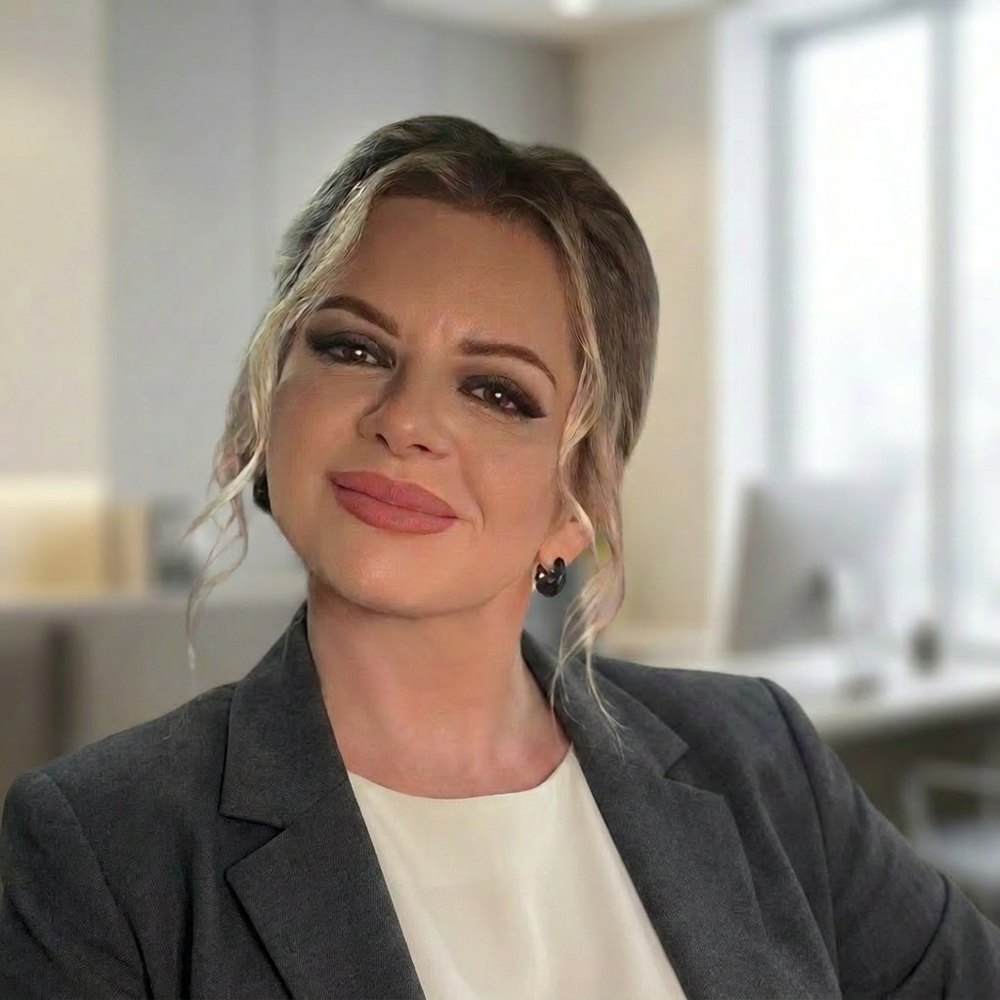
Established in 2004. Independently led by Vierka Hiscock since 2017.
When families contact us
Most families don’t contact us because they need care. They contact us because something isn’t working.
Maybe the support you had has broken down again. Your son or daughter may still rely on you for everything. Anxiety could be making daily life smaller and smaller. Or perhaps agencies have come and gone, and you are tired of explaining the same story to a new face every week.
And quietly, you have begun to wonder what happens when you are no longer able to provide this support yourself.
If any of that sounds familiar, you’re not alone — and you don’t need to have it all worked out before you call us. The first conversation is confidential, unhurried, and commits you to nothing.
How can we help?
Find the right starting point
For families
Worried about someone?
Support when caring for an adult at home is becoming harder to manage — and you want people who will stay.
For families →For private clients
Funding support privately
Flexible, relationship-led support outside commissioning frameworks — faster decisions, full discretion, planning for the future.
Private clients →For professionals
Making a referral?
We work alongside local authorities, case managers, social workers and healthcare teams on complex, long-term placements.
Discuss a referral →What we support
Complex support, delivered at home
We are not a one-hour-visit agency, and we are not live-in-care only. We deliver the full intensity spectrum — tailored to the individual.
Mental health support
For adults whose mental health is complex enough that standard provision hasn’t held. Daily structure, consistent relationships, and a calm environment in which therapy and recovery can stick.
Autism support
Built around what works for the person — sensory thresholds, communication preferences, predictable routines, decompression time. We listen to the person who lives it.
Learning disabilities
For adults who want more independence than they have now — a slow, careful path toward more control over their own lives, often working alongside parents who are tired or getting older.
Behavioural distress
We rarely find people “challenging.” Distress is almost always an expression of something — pain, sensory overload, unmet need. We work patiently to understand it.
From two hours a day to 24/7
Packages range from a few daily visits to round-the-clock community support — always shaped around the person and what they actually need.
Independent living mentoring
For adults building a more independent life — money, routines, relationships, work — with someone steady walking alongside them, not doing it for them. Our Director is a qualified coach and mentor; our Service Manager, Deputy Manager and two Team Leaders are trained in mentoring.
Why families choose us
Three things that make us different
We don’t take every case
We say no to more enquiries than we accept — not to be exclusive, but so the people we do take on get our full attention and our time. And if you’re worried we might say no, ask us anyway: we’ll always be honest with you about whether we’re the right fit.
We stay
Some of the people we support have been with the same familiar team for many years. The same two or three people cover each home, week after week — no revolving door, and no reciting your relative’s needs to a stranger every shift.
You reach senior people
There’s no call centre. Your enquiry is handled by our Service Manager, Joe Sparrow, and Deputy Manager, Jessica White — both long-standing — with Director Vierka Hiscock overseeing every case. So when something matters, you’re talking to someone who can actually act.
If that sounds like the support you’re looking for, talk to us. The first conversation is unhurried and commits you to nothing.
Tell us what’s happeningThe people who answer
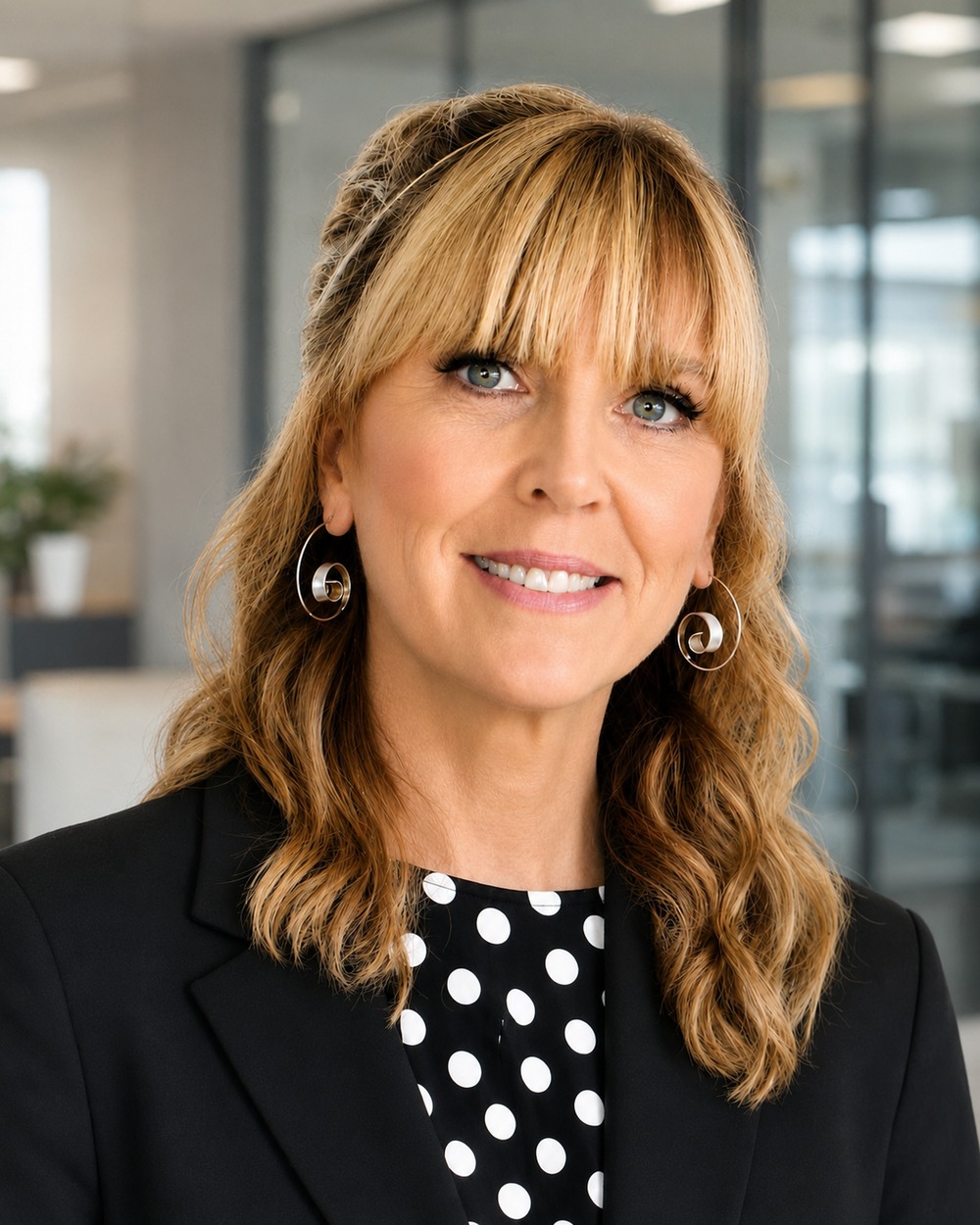
Service Manager
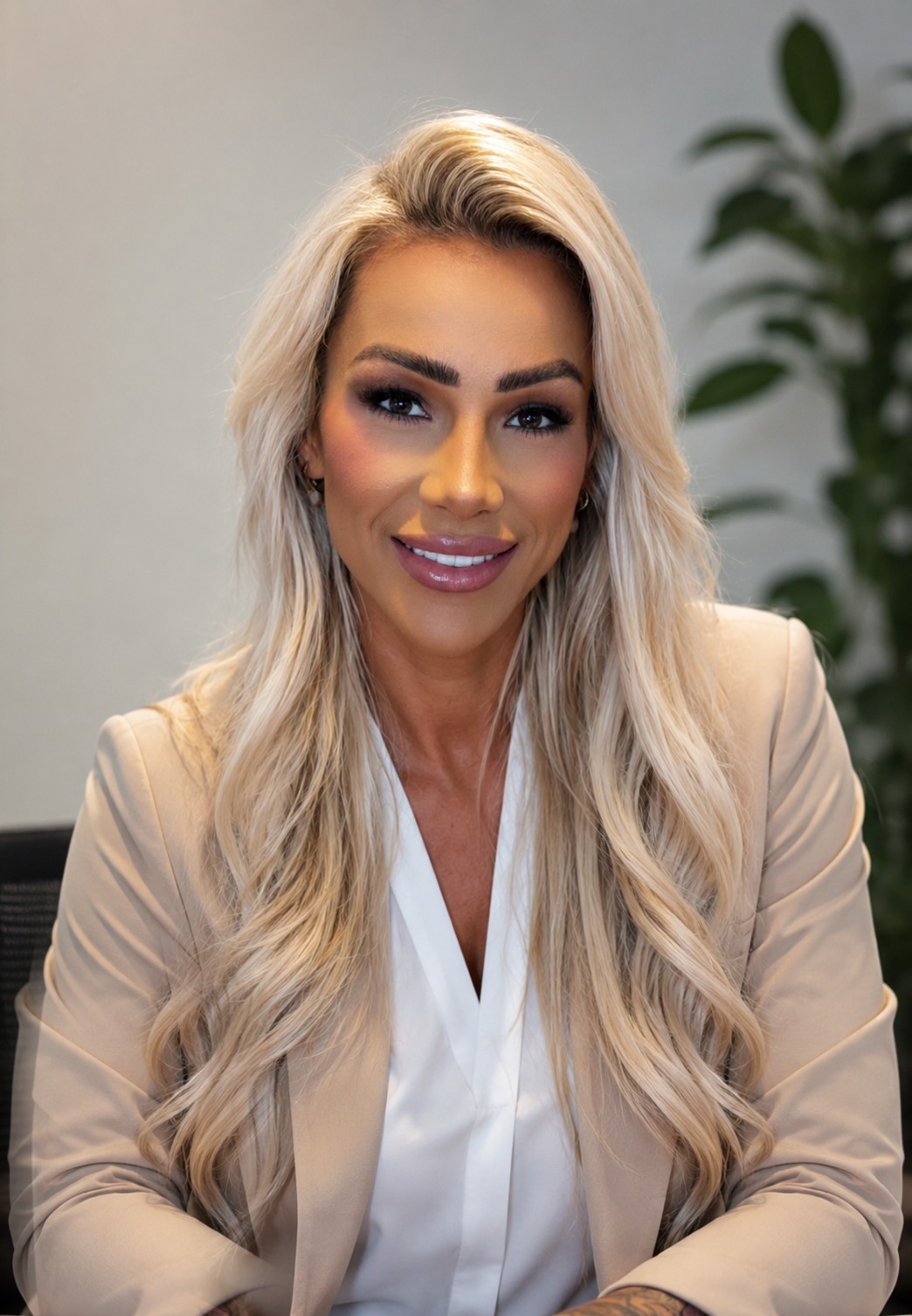
Deputy Manager
Director & Registered Manager
Real lives we support
Names changed. Details true to the work we actually do.
Audrey
Anxiety & isolationLives alone since her partner died; anxiety made leaving the house unbearable. Two consistent support workers, one visit a day. Six months in, she walks to the corner shop once a week and runs her own diary again.
Mr Williams
Autism · 24/7 supportRound-the-clock support in his own home for many years. Three support workers he knows by name. Predictable routines, a sensory-aware environment. His parents finally sleep.
Eileen
Mental health recoveryDischarged from a long admission with no daily structure. We provided the consistent presence that made the therapy stick. Three years on, she lives independently with two visits a week.
Betty
Learning disability · independent livingMoved out of her parents’ home in her late thirties. We walked alongside her for eighteen months — money, routines, neighbours, her own front door. She now mentors a younger client.
Mr Smith
Behavioural distressDescribed as “challenging” by three previous providers. We listened to what the distress was telling us. Two years in: no agency placements, no escalations, quality of life transformed.
Olive
With us for many yearsAmong the people who have been with us the longest. The same lead support worker for many years. Her family no longer counts the years — they count the things she’s done in them.
Verified by clients & families on homecare.co.uk
“I have used Care Horizons on my son’s behalf in excess of ten years; the level of care and the friendship they have provided has been of a very high level.”
G S · Father of client · via homecare.co.uk
In families’ own words
“My support worker is absolutely fantastic. She makes my life easier and my world brighter.”
“I can’t praise Care Horizons enough. They have made the world of difference.”
“Once we changed to Care Horizons our lives have changed for the better.”
“The manager has always been there showing empathy, warmth, care and outstanding leadership.”
“The level of care and friendship provided has been of a very high level.”
“Very caring and most of the time reliable. All staff are very understanding and helpful.”
“The staff are very excellent and very understanding and never judge me.”
“I would really recommend Care Horizons — they have had a massive impact on my journey.”
“Most agencies are organised around the rota. We organise ourselves around the person.”
Vierka Hiscock, Managing Director & Registered ManagerGovernance & quality
We treat compliance as a daily practice
Not an annual scramble — and not just paperwork. Here’s what each one actually means for the person you’re trusting us with. Every claim is evidenced and available on request.
CQC — rated Good
The government’s independent regulator inspects us in person — and rated us Good. An outside inspector has seen the real care, not a brochure. Vierka Hiscock is personally accountable as Registered Manager and Nominated Individual.
ISO 9001 — quality, independently audited
Uncommon for a home-care provider. Each year an external auditor checks our quality isn’t left to memory — it’s written down, measured and improved, so support stays consistent whoever is on shift.ISO 9001:2015 · cert 282832018 · valid to 07/05/2028
ISO 45001 — safety, independently audited
Rarer still in our sector. The international standard for keeping people safe — those we support and our staff. Each year an independent auditor checks we catch risks before they become incidents.ISO 45001:2018 · cert 374412021 · valid to 01/07/2028
Evidenced every day — not the day before
Our compliance lives on a platform that’s updated continuously. Most providers scramble before an inspection; we’re ready every day, because the evidence is built as we work. Ask to see any of it.
Insured through Marsh Commercial · Nourish for care planning · Citation for HR & compliance
What happens when you contact us
A conversation first — never a hard sell
You reach a real person
Joe Sparrow or Jessica White take the call — both have been with us for years. No call centre, no script.
We listen, then we’re honest
You tell us what’s happening. We tell you plainly whether we’re the right fit — and if we’re not, we’ll say so.
We come and meet
If it looks right, we visit — to understand the person, the home and what good support would really look like.
A plan, and a team that stays
The same two or three support workers — not whoever’s on the rota — with a plan written around the person.
You’re never left alone with it
Vierka oversees every case, reads every safeguarding referral and signs every contract. Senior-led and continuous.
There’s no cost and no obligation in talking to us. If it matters, ring 0117 405 4320 or send a message and we’ll come back to you within one working day.
If it matters, talk to us.
If you are worried about an adult whose needs are complex, and the usual care models have already been tried, we should talk.
0117 405 4320 [email protected] Send a confidential message You reach senior people who know the work, with Vierka Hiscock overseeing every case.Tell us what’s happening — we’ll call you back within one working day.
Confidential. Unhurried. Commits you to nothing.
Care Horizons is hiring part-time community Support Workers across Bristol & South Gloucestershire.
We’re hiring — view careers & apply →